
Single-Ply & EPDM Membrane
Single-sheet rubber membranes with few seams to fail.
About single-ply & EPDM membraneLiving roofs built on proper waterproofing, from deck to planting.
A green roof is a layer of living planting installed over a properly waterproofed flat roof. Done right, it looks superb, supports wildlife and protects the membrane beneath it for decades. Done wrong, it is a heavy, saturated problem sitting on top of a leak. Abbotts Flat Roofing installs green roofing systems across Staffordshire, building the full system from the deck up so the waterproofing and the planting work as one.
The roofing trade part comes first. A living roof is only as good as the build-up beneath it: root-resistant waterproof membrane, drainage and filter layers, then the growing medium and planting on top. With over 15 years in the trade, we fit sedum and planted systems on extensions, garden rooms, garages, offices and commercial buildings across Staffordshire, Cheshire and Derbyshire, and every job starts with a free written quote. Call 07479 664747 to talk yours through.
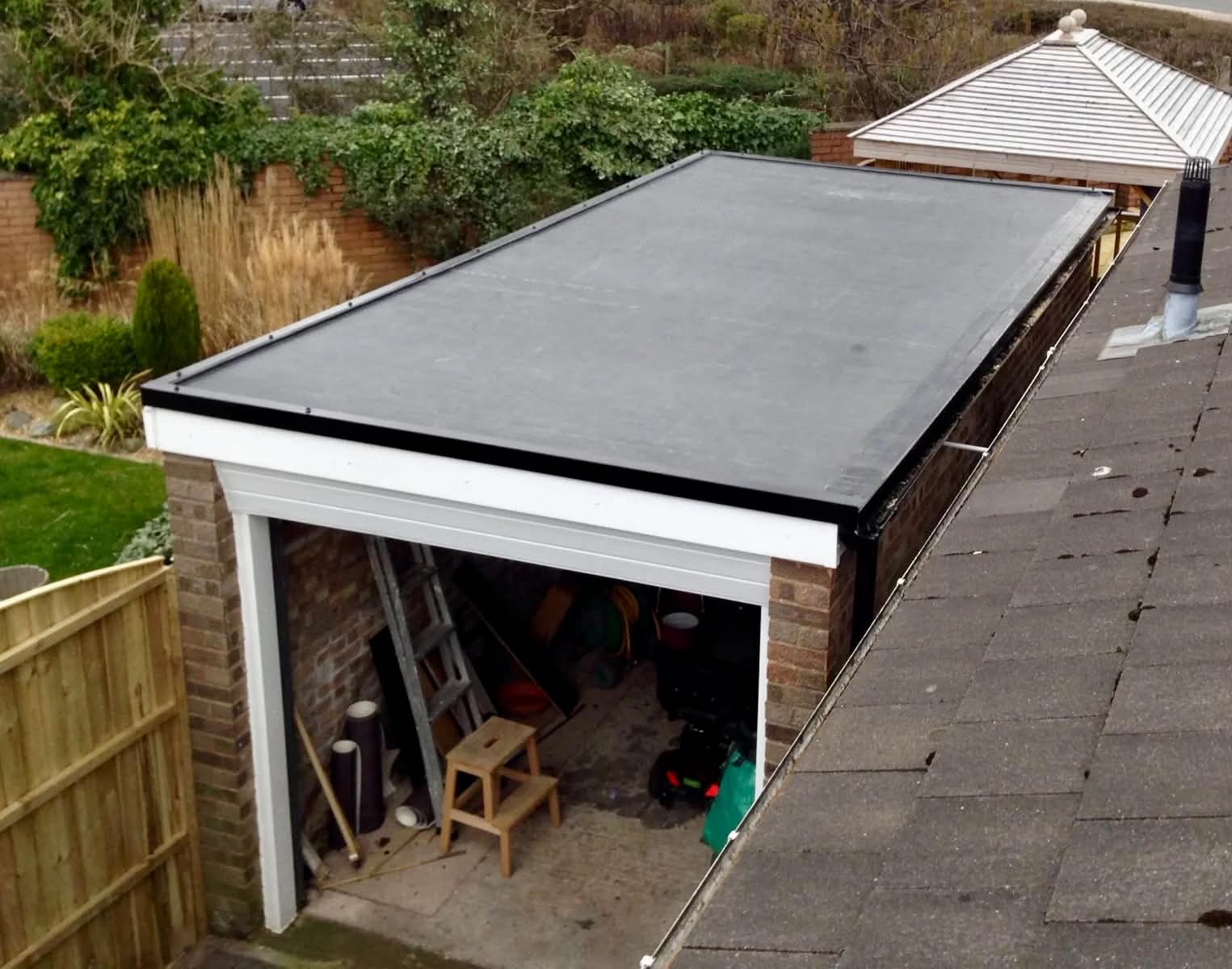
Every living roof we install is a layered build-up, and each layer has a job. Above the deck sits a root-resistant waterproof membrane, the most important part of the system. Then a drainage layer to carry excess water to the outlets, a filter fleece to keep the growing medium out, and the substrate and planting on top. Sedum blankets arrive pre-grown and roll out like turf; fully planted roofs use a deeper substrate for a wider mix of plants.
The benefits stack up. A green roof slows rainwater runoff instead of sending it straight to the drains, adds insulation mass that steadies temperatures inside, and shields the membrane from UV, which is what ages most flat roofs. It also turns a plain deck into something worth looking at and gives bees and birds somewhere to live. On a garden room overlooked from upstairs, that view often decides it.
It starts with a survey, not a brochure. We check the structure can carry the saturated weight of the system, assess the falls and outlets, and confirm the deck is sound. Structural loading is not a detail to skip: wet growing medium is heavy and the roof has to carry it comfortably. Once that is confirmed, we install a root-resistant waterproof layer, because ordinary felt will not stop roots working through it over the years.
With the waterproofing tested and right, the green layers go on: drainage board, filter fleece, growing medium, then sedum blanket or plug planting depending on the spec. Edges and outlets are kept clear so water always has a route off the roof. We install six flat roof systems, so the waterproof base gets the same care as any roof we would leave exposed. The planting is the part you see; the layers underneath are the part that lasts.
A well-built sedum roof needs little attention, but warning signs are worth knowing. Bare or brown patches that do not recover, water pooling on the surface, or damp on the ceiling below all point to a problem with drainage or the membrane rather than the plants. Because the planting sits on top of the waterproofing, faults underneath can hide longer than on an exposed roof, so get them looked at early.
The trade-off works in your favour on lifespan. The planting shields the membrane from UV and temperature swings, the two things that age flat roofs fastest, so a properly installed system should outlast the same membrane left bare. If an existing living roof is failing, we can often lift the planting, repair or replace the waterproof layer and reinstate the system. Either way, it starts with an honest inspection and a free quote, anywhere in Staffordshire.
Cannot see what you are after? Give us a call and we will talk it through, no pressure.
Usually, yes, provided the structure can take the weight. A saturated sedum system is far heavier than a bare membrane, so we check structural loading as part of every survey before quoting. Garages, extensions and garden rooms with a sound deck are all good candidates, and larger commercial roofs work too. If the structure needs strengthening first, we will say so.
The main factors are roof size, the system you choose and what is underneath. A sedum blanket over a new waterproof build-up is the most straightforward option; a deeper, fully planted roof costs more because of the extra substrate and any structural work involved. Access and edge details play a part too. We survey first and give you a free, no-obligation written quote.
Not much. Plan on two visits a year: clear the outlets, pull any weeds or saplings that have seeded in, and give it a slow-release feed in spring. A newly laid blanket appreciates a watering in a long dry spell. If patches keep dying back, get the roof inspected, as the cause is usually below the planting.
Sometimes, but the existing waterproofing has to earn its place. If the membrane is ageing, not root-resistant or showing any sign of leaking, burying it under planting is asking for trouble, because faults become far harder to trace. In most cases the right answer is a new root-resistant waterproof layer first, then the green build-up on top. We inspect what is there and give you a straight answer.
Tell us about your roof and we will give you honest advice and a free written quote, anywhere across Staffordshire, Cheshire and Derbyshire.